Los Gigantes Dam Rupture: A Looming Contamination Threat to Cordoba's Vital Water Supply
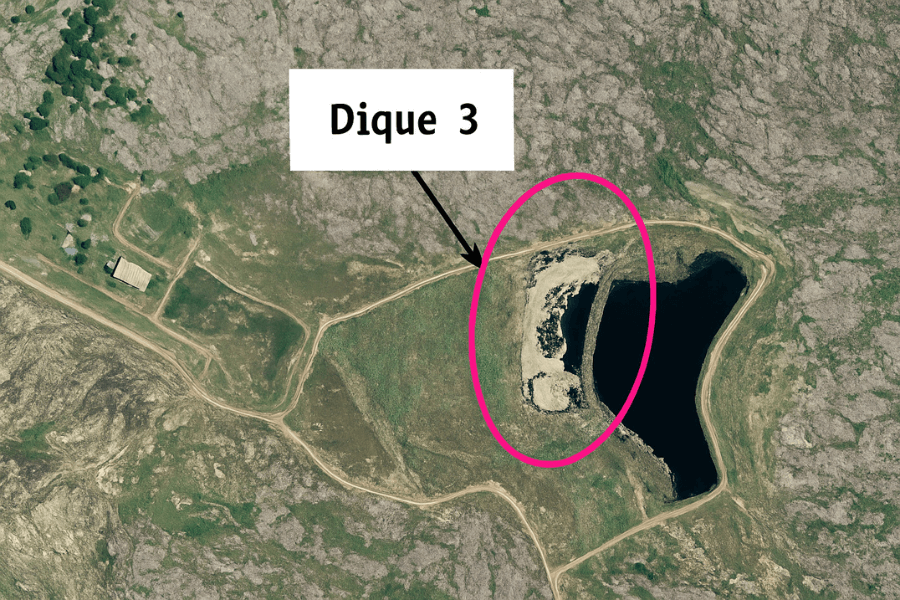
Cordoba, a province celebrated for its stunning natural beauty and vital water infrastructure, relies heavily on its network of dams (diques) to sustain its population, agriculture, and tourism. While discussions often revolve around the impressive Altura De Los Diques En Cordoba – their engineering marvels and significant water storage capacities – an insidious threat has emerged that underscores the critical importance of protecting these life-giving resources. The recent rupture of a geomembrane at Dique 3 of the abandoned Los Gigantes uranium mine poses a significant contamination risk, potentially jeopardizing the drinking water supply for millions in Cordoba City.
This incident throws into sharp relief the perpetual environmental liabilities left by large-scale mining operations and highlights the intricate interconnectedness of Cordoba's water systems. From the towering heights of its major reservoirs to the purity of the smallest mountain stream, every component of the hydrological cycle plays a crucial role in the region's well-being.
The Alarming Rupture at the Abandoned Los Gigantes Uranium Mine
The alarm bells began to ring following reports of a breach in the geomembrane that was meant to ensure the impermeability of Dique 3 at the former Los Gigantes Mining-Industrial Complex. Located approximately 30 kilometers west of Villa Carlos Paz, this abandoned uranium mine, active in the 1980s, is a repository for millions of tons of solid and liquid waste. Crucially, this waste is not just chemical but also radioactive, presenting a long-term environmental hazard that dwarfs many conventional pollution concerns.
The National Atomic Energy Commission (CNEA) has publicly stated that repairs were made to the compromised geomembrane. However, local residents and environmental watchdogs in the area insist that filtrations persist. Eyewitness accounts of CNEA vehicles and machinery entering the site in recent days further underscore the ongoing nature of the problem, suggesting that the initial fixes may not have fully resolved the integrity issues. The persistent leaks raise serious questions about the effectiveness of the repairs and the long-term containment strategy for such hazardous materials.
A Legacy of Risk: Understanding Mining's Perpetual Environmental Footprint
The situation at Los Gigantes is a stark reminder of what are known as "perpetual environmental liabilities" (pasivos ambientales a perpetuidad) – the enduring ecological burdens left behind by large-scale industrial activities, particularly mining. When a mine is abandoned, the physical structures and waste dumps, if not properly managed, can continue to degrade and release pollutants into the environment indefinitely. In the case of Los Gigantes, the combination of radioactive and chemical contaminants means that the threat is not just immediate but spans generations, demanding continuous monitoring and robust remediation efforts.
The location of the Los Gigantes complex exacerbates the risk. Situated in an area that receives substantial rainfall, it is also the headwaters of several watercourses. The most significant of these is the San Antonio River, which serves as the principal collector for these streams. This river then flows directly into Dique San Roque, one of the primary sources of potable water for the bustling city of Cordoba. This hydrological chain of events creates a direct conduit for potential contamination from the mine into the urban water supply, making the integrity of containment structures like Dique 3 absolutely non-negotiable.
Cordoba's Water Lifeline: Dique San Roque and Regional Interdependence
Dique San Roque is more than just a scenic lake; it is a critical artery for Cordoba's urban areas. Its waters provide drinking water, support agricultural activities, and are vital for recreational pursuits. The health and safety of this reservoir are paramount, and any threat to its water quality sends ripples of concern across the entire province. This incident underscores that while the structural Altura De Los Diques En Cordoba and their engineering are impressive, the integrity of the entire watershed feeding these dams is equally, if not more, important.
The reference to Dique Los Molinos, another significant water body in Cordoba, highlights the widespread importance of maintaining pristine water sources throughout the region. While Dique Los Molinos: Cordoba's Premier Pejerrey Fishing Spot is celebrated for its angling opportunities, its environmental health, like that of San Roque, relies on robust upstream protection measures. The unfortunate truth is that a contamination event at Los Gigantes could have far-reaching effects beyond just drinking water, impacting recreational activities, tourism, and the delicate aquatic ecosystems that define Cordoba's charm.
The Interconnectedness of Water Systems: A Fragile Balance
The flow of the San Antonio River from the contaminated site directly into Dique San Roque exemplifies the fragile balance of natural water systems. What happens upstream inevitably affects downstream communities. This geographical reality makes the Los Gigantes situation particularly urgent. It's not merely a local leakage problem; it's a potential provincial-level crisis with widespread public health and environmental implications. Effective water resource management in Cordoba must therefore extend beyond the physical boundaries of the dams themselves to encompass the entire catchment area.
Mitigating the Threat: Transparency, Monitoring, and Long-Term Solutions
While the CNEA asserts that repairs have been conducted, the insistence of local residents that filtrations continue is a critical piece of information that cannot be ignored. Transparency and independent verification are essential in situations involving highly hazardous materials like radioactive waste. Practical steps to mitigate this ongoing threat include:
- Independent Environmental Audits: Third-party experts should conduct comprehensive assessments of the Dique 3 geomembrane and the overall containment strategy at Los Gigantes.
- Enhanced Monitoring: A robust, continuous monitoring system for water quality in the San Antonio River, particularly downstream from the mine, and within Dique San Roque, is crucial. This should include testing for both radioactive and chemical contaminants.
- Community Involvement: The concerns and observations of local residents must be taken seriously and integrated into monitoring and decision-making processes. Empowering communities with information and involving them in oversight can significantly improve accountability.
- Long-Term Remediation Plan: Beyond immediate repairs, a comprehensive, funded, and publicly accessible long-term plan for the complete remediation and safe closure of the Los Gigantes complex is imperative to address the perpetual environmental liabilities.
Community Vigilance and Advocacy: A Frontline Defense
The role of community groups and local environmental organizations cannot be overstated. Their vigilance often serves as a crucial early warning system and a powerful advocacy force against environmental negligence. Their sustained pressure is vital in ensuring that official bodies are held accountable and that promised actions are not only initiated but also effectively completed. The collective voice of those directly impacted can drive the necessary political will and resources to address complex environmental challenges like the Los Gigantes contamination threat.
Broader Implications for Cordoba's Aquifer Security
The Los Gigantes incident serves as a critical case study for the broader challenges of aquifer security and environmental governance in Cordoba. It highlights the need for a holistic approach to water management that integrates industrial legacy sites into regional environmental protection strategies. The integrity of Cordoba's dams, irrespective of their Altura De Los Diques En Cordoba, is inextricably linked to the health of the entire water system, from mountain springs to major reservoirs. This requires rigorous environmental impact assessments for all industrial projects, even those long abandoned, and robust regulatory frameworks to prevent future contamination events.
Proactive environmental planning, coupled with stringent oversight and transparent reporting, is the only way to safeguard Cordoba's water resources for current and future generations. Lessons from Los Gigantes must inform policy and practice across the province, ensuring that the ecological and public health risks posed by past industrial activities are effectively managed and mitigated.
The potential contamination threat from the Los Gigantes dam rupture is a serious concern for Cordoba. It underscores the vital importance of transparent governance, continuous environmental monitoring, and the active involvement of communities in protecting their water sources. Ensuring the purity of the San Antonio River and Dique San Roque is not just an environmental issue; it is a fundamental matter of public health and regional sustainability. The proactive management of such sites is paramount to preserving the integrity of Cordoba's precious water infrastructure and the well-being of its inhabitants for decades to come.